

Trekking: Your Ultimate Guide to Adventure, Fitness, and Nature Exploration
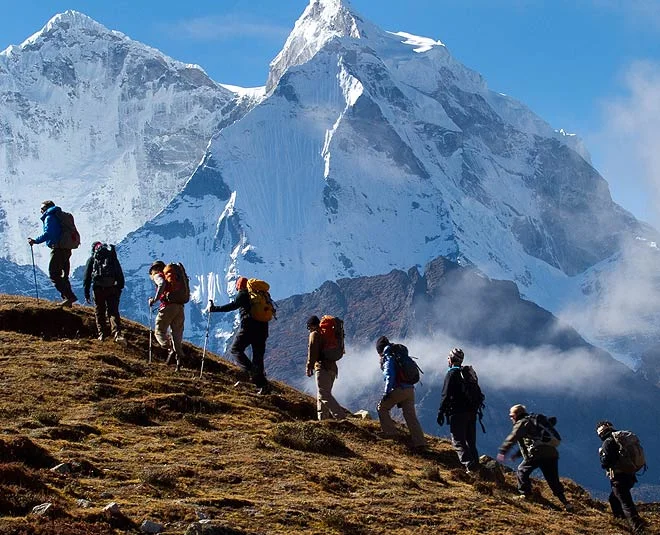
Trekking
Introduction:-
Trekking is not just an outdoor activity—it’s an experience that connects you with nature, challenges your limits, and rejuvenates your soul. Whether you’re a beginner eager to explore mountain trails or an experienced trekker seeking the next thrilling climb, trekking offers something extraordinary for everyone.
From the snow-clad peaks of the Himalayas to the lush rainforests of South America, trekking opens doors to some of the most breathtaking landscapes on Earth. In this comprehensive guide, we’ll explore everything you need to know about trekking—its benefits, types, essential gear, top destinations, and expert tips to make every trek unforgettable.
What is Trekking?
Trekking refers to a long and adventurous journey undertaken on foot, often through rugged terrain, mountains, forests, or rural areas. Unlike hiking, which is generally shorter and less challenging, trekking usually spans multiple days and demands endurance, planning, and a spirit of adventure.
Trekking can be done for various purposes—recreation, exploration, cultural immersion, or personal growth. It’s an activity that blends physical fitness, mental resilience, and environmental awareness.
The History and Evolution of Trekking
The origins of trekking trace back to ancient times when humans traveled vast distances on foot for trade, migration, or survival. However, modern trekking as a recreational pursuit began in the early 20th century when explorers and mountaineers sought to conquer new terrains and peaks.
By the mid-1900s, trekking became popular among nature lovers and adventure enthusiasts, especially with the rise of tourism in mountainous regions like Nepal, the Alps, and the Andes. Today, trekking has evolved into a global phenomenon, attracting millions who seek an escape from the chaos of modern life.
Benefits of Trekking
Trekking is more than just a physical activity—it’s a holistic experience that benefits the body, mind, and spirit.
1. Physical Fitness
Trekking improves cardiovascular health, strengthens muscles, enhances balance, and boosts stamina. Walking uphill or across uneven surfaces engages your core, legs, and back, making it a full-body workout.
2. Mental Wellness
Being surrounded by nature and fresh air reduces stress, anxiety, and depression. The rhythmic motion of walking combined with scenic beauty fosters mindfulness and relaxation.
3. Connection with Nature
Trekking offers an intimate connection with the natural world. It allows you to witness diverse ecosystems, wildlife, and stunning landscapes while developing respect for the environment.
4. Social Bonding
Whether trekking solo or in groups, the experience fosters deep connections. Shared challenges and achievements create lasting friendships.
5. Personal Growth
Every trek tests your endurance and mental strength. Overcoming tough trails and unpredictable weather builds resilience and confidence.
Types of Trekking
Trekking can be categorized based on duration, terrain, and difficulty level. Understanding these types helps trekkers choose experiences that match their goals and fitness levels.
1. Easy Trekking
Ideal for beginners, these treks involve gentle slopes, shorter distances, and minimal altitude gain. Examples include Valley of Flowers (India) and Poon Hill (Nepal).
2. Moderate Trekking
Moderate treks require good fitness and can last 4–7 days. They may involve steep climbs and high altitudes, such as Hampta Pass (India) or Salkantay Trail (Peru).
3. Difficult Trekking
Challenging treks involve long durations, extreme altitudes, and rugged terrains. They demand physical endurance and preparation. Examples: Everest Base Camp (Nepal), Kilimanjaro (Tanzania), and Annapurna Circuit.
4. Winter Trekking
For those who love snow and cold climates, winter trekking offers a unique experience. Popular routes include Kedarkantha (India) and Chadar Trek (Ladakh).
5. Cultural Trekking
These treks blend adventure with cultural discovery—passing through remote villages, ancient monasteries, and traditional communities.
Essential Trekking Gear and Equipment
Proper gear ensures safety, comfort, and efficiency on any trekking journey. Here’s a checklist of must-have trekking items:
Clothing
- Moisture-wicking base layers
- Insulating jacket or fleece
- Waterproof outer layer
- Trekking pants and socks
- Sun hat and gloves
Footwear
- Durable trekking boots with ankle support
- Lightweight camp shoes or sandals
Backpack Essentials
- Sturdy backpack (40–60L for multi-day treks)
- Sleeping bag and mat
- Trekking poles
- Headlamp or flashlight
- Map, compass, or GPS
Safety and First Aid
- First aid kit
- Water purification tablets
- Multi-tool or knife
- Sunscreen and insect repellent
Food and Hydration
- Energy bars and snacks
- Water bottles or hydration packs
Being well-prepared helps you tackle unpredictable conditions while ensuring a comfortable and safe trek.
Top Trekking Destinations in the World
1. Everest Base Camp Trek, Nepal
A dream for many adventurers, this iconic trek offers stunning Himalayan views and Sherpa hospitality.
2. Inca Trail, Peru
A historic trek leading to the ancient city of Machu Picchu, combining adventure with archaeology.
3. Annapurna Circuit, Nepal
Renowned for its diversity, this trek passes through villages, forests, and high mountain passes.
4. Kilimanjaro Trek, Tanzania
Climb Africa’s highest peak while witnessing diverse ecosystems, from rainforest to glacier.
5. Patagonia, Chile and Argentina
Explore dramatic landscapes, turquoise lakes, and rugged mountains.
6. Markha Valley, India
An unforgettable trek through the Ladakh region, offering views of the Zanskar Range.
7. Tour du Mont Blanc, Europe
Spanning France, Italy, and Switzerland, it’s one of the most scenic treks in the Alps.
Best Trekking Destinations in India
India is home to some of the most diverse and scenic trekking routes in the world.
- Roopkund Trek (Uttarakhand) – Famous for its mysterious skeleton lake.
- Kedarkantha Trek (Uttarakhand) – Ideal winter trek with panoramic Himalayan views.
- Hampta Pass (Himachal Pradesh) – Offers contrasting landscapes of Kullu and Spiti valleys.
- Sandakphu (West Bengal) – Known for views of the world’s highest peaks, including Everest and Kanchenjunga.
- Valley of Flowers (Uttarakhand) – A UNESCO site blooming with vibrant flora.
How to Prepare for Trekking
Preparation is key to a successful and enjoyable trekking experience.
1. Physical Training
Engage in cardio workouts, hiking, and strength training 3–4 weeks before your trek.
2. Acclimatization
For high-altitude treks, acclimatize properly to prevent altitude sickness.
3. Hydration and Nutrition
Drink plenty of water and maintain a balanced diet before and during the trek.
4. Learn Basic Survival Skills
Understanding map reading, first aid, and navigation boosts your confidence and safety.
Safety Tips for Trekking
- Never trek alone in unknown regions.
- Carry sufficient water and food.
- Check weather conditions before starting.
- Respect local cultures and wildlife.
- Avoid overexertion; rest when needed.
- Always inform someone about your route and expected return.
Environmental Responsibility in Trekking
Trekking should always be eco-conscious. Follow the Leave No Trace principles:
- Carry your waste back.
- Avoid disturbing wildlife.
- Use eco-friendly products.
- Support local communities and guides.
Trekking as a Lifestyle
For many, trekking evolves from a hobby into a lifestyle. It encourages minimalism, mindfulness, and sustainability. Each trail teaches life lessons—patience, gratitude, and perseverance.
Conclusion
Trekking is more than just walking through nature—it’s a transformative experience that redefines your relationship with yourself and the world. It pushes boundaries, cultivates strength, and fills your life with stories of adventure and discovery. Whether you embark on your first trail or aim for the world’s highest peaks, trekking promises an unforgettable journey toward self-discovery and serenity.
FAQs About Trekking
1. What is trekking and how is it different from hiking?
Trekking involves long, multi-day journeys through rough terrains such as mountains, forests, and valleys. Hiking, on the other hand, is usually a shorter and less challenging walk, often done in a single day.
2. What are the best trekking destinations in the world?
Some of the best trekking spots include the Everest Base Camp (Nepal), Inca Trail (Peru), Annapurna Circuit (Nepal), Kilimanjaro (Tanzania), and Patagonia (Chile & Argentina).
3. What are the essential items I should carry while trekking?
You should carry a durable backpack, trekking boots, warm clothing, first aid kit, hydration pack, energy snacks, and navigation tools like a map or GPS.
4. Is trekking safe for beginners?
Yes, trekking is safe for beginners as long as you choose an easy or moderate trail, prepare physically, and follow safety guidelines. Hiring a local guide also adds safety and knowledge to your journey.
5. How do I prepare for a high-altitude trek?
Train your body with cardio and strength exercises, stay hydrated, and acclimatize slowly to prevent altitude sickness. Carry necessary medicines and avoid rushing the ascent.
Call-to-Action (CTA): Start Your Trekking Adventure Today!
Are you ready to experience the thrill of the mountains and the serenity of nature?
Don’t wait — pack your bag, lace up your boots, and start your trekking journey today!
Whether you’re planning a weekend trail or an international expedition, every step you take brings you closer to discovery, freedom, and adventure.
Join a guided trek, explore hidden trails, and rediscover yourself with every climb. The mountains are calling—answer them now!