
The Ultimate Guide to Hiking: Tips, Trails, and Adventures
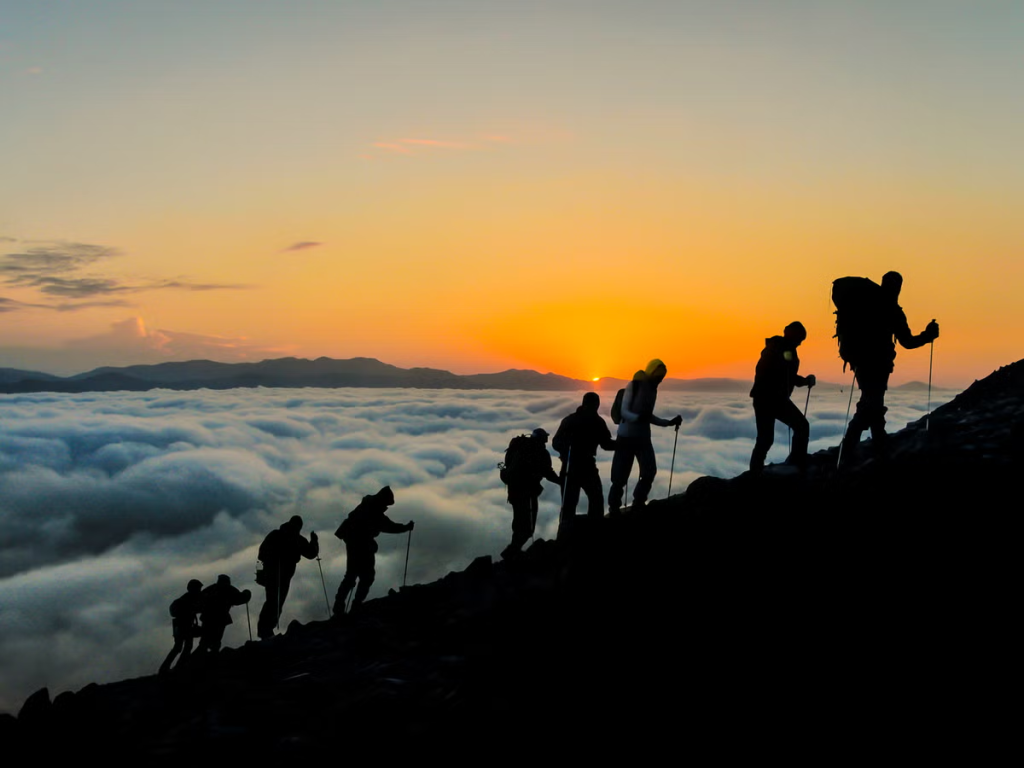
Hiking
Introduction:-
Trekking through nature is more than just walking—it’s a journey that refreshes your mind, challenges your body, and connects you with the outdoors. Whether you are a beginner exploring local paths or an experienced trekker aiming for mountains, outdoor adventures offer endless opportunities for excitement.
In this guide, we’ll cover everything from the best trails, essential gear, safety tips, and how to make the most of your nature excursions.
1. What is Hiking?
Hiking, or trekking, is the activity of walking in nature for leisure, exercise, or exploration. Unlike casual strolls, it usually involves trails, forests, mountains, or other natural terrains. It can range from easy nature walks to challenging multi-day mountain treks.
Benefits include:
- Physical fitness: Strengthens muscles, improves cardiovascular health, and burns calories.
- Mental wellness: Reduces stress, enhances mood, and boosts creativity.
- Connection with nature: Offers an escape from urban life and fosters appreciation for the environment.
2. Top Benefits of Hiking and Outdoor Adventures
- Enhances Physical Fitness
Walking on trails or trekking uphill is a full-body workout that strengthens legs, core, and even the upper body with trekking poles. It improves endurance, balance, and flexibility. - Boosts Mental Health
Being in natural surroundings lowers stress and anxiety. Outdoor activities have been shown to enhance focus and emotional well-being. - Ignites the Spirit of Adventure
Trekking encourages exploration. Each trail is an opportunity to discover scenic vistas, wildlife, and hidden gems. - Fosters Social Connections
Group treks or hiking trips allow you to bond with friends or meet fellow nature enthusiasts.
3. Essential Gear for Hiking Trips
Proper equipment ensures a safe and enjoyable adventure. Essentials include:
- Hiking boots: Prevent injuries and ensure comfort on rough terrain.
- Backpack: Lightweight with hydration options.
- Clothing: Moisture-wicking, weather-appropriate layers.
- Navigation tools: Map, compass, or GPS device.
- First-aid kit: For emergencies and minor injuries.
- Snacks and water: High-energy foods and sufficient hydration.
- Trekking poles: Optional but helpful for balance and reducing strain.
4. Tips for Beginners
Starting with trekking can feel overwhelming, but these tips help beginners enjoy their adventures safely:
- Start Small: Begin with easy trails before tackling challenging terrains.
- Check the Weather: Avoid harsh conditions and plan accordingly.
- Know Your Route: Study maps and note landmarks.
- Pace Yourself: Maintain a comfortable rhythm to avoid fatigue.
- Leave No Trace: Respect nature and avoid littering.
5. Best Trails Around the World
Whether you seek mountains, forests, or coastal paths, there are countless options:
- Inca Trail, Peru: Trek to Machu Picchu with stunning mountain views.
- Appalachian Trail, USA: Long-distance trail covering forests, rivers, and peaks.
- Mont Blanc, France/Italy/Switzerland: Experience alpine landscapes with challenging routes.
- Torres del Paine, Chile: Breathtaking Patagonian scenery with glaciers and wildlife.
- Western Ghats, India: Tropical paradise with hills, waterfalls, and dense forests.
6. Safety Tips for Outdoor Adventures
Safety should always come first:
- Inform someone: Let a friend or family member know your route.
- Stay on marked trails: Avoid wandering into unsafe areas.
- Carry emergency gear: Whistle, flashlight, and first-aid kit.
- Monitor energy levels: Take breaks, stay hydrated, and avoid overexertion.
- Be wildlife-aware: Maintain safe distances and avoid feeding animals.
7. Hiking for Fitness and Wellness
Nature treks aren’t just adventurous—they’re an excellent fitness routine. Regular outdoor treks can:
- Burn calories efficiently
- Build lower body strength
- Improve cardiovascular and lung function
- Reduce stress and fatigue
Combine trekking with mindfulness or photography for a full wellness experience.
8. Group Treks with Family and Friends
Trekking is ideal for social bonding:
- Family-friendly trails: Choose short, easy paths suitable for kids.
- Group adventures: Explore new locations with friends or clubs.
- Picnics and breaks: Make the journey fun and memorable.
9. Sustainable Trekking Practices
Protecting nature ensures trails remain pristine:
- Avoid single-use plastics
- Stick to designated trails to prevent erosion
- Respect plants and wildlife
- Carry back all trash
10. Advanced Trekking Challenges
For seasoned adventurers seeking a thrill:
- Multi-day treks with overnight camping
- High-altitude climbs
- Night trekking experiences
- Winter treks with snow gear
These require preparation, stamina, and proper equipment.
FAQs About Hiking
Q1: When is the best time to go trekking?
A1: Spring and autumn offer mild temperatures and beautiful landscapes.
Q2: Do I need special gear for Hiking?
A2: Basic gear includes boots, backpack, clothing, water, and navigation tools. Advanced treks may require additional equipment.
Q3: Can beginners attempt mountain treks?
A3: Yes, start with easier trails and gradually move to more challenging terrain.
Q4: How can I stay safe while trekking?
A4: Inform someone of your route, stay on marked trails, carry first-aid, and monitor weather conditions.
Call to Action (CTA)
Ready to embark on your next trekking adventure? Pack your gear, choose your trail, and experience the thrill of nature! Explore our curated Hiking packages and guided tours to make your journey safe, memorable, and breathtaking.