
The Ultimate Guide to Rafting: Thrills, Tips, and Top Destinations for an Unforgettable Adventure
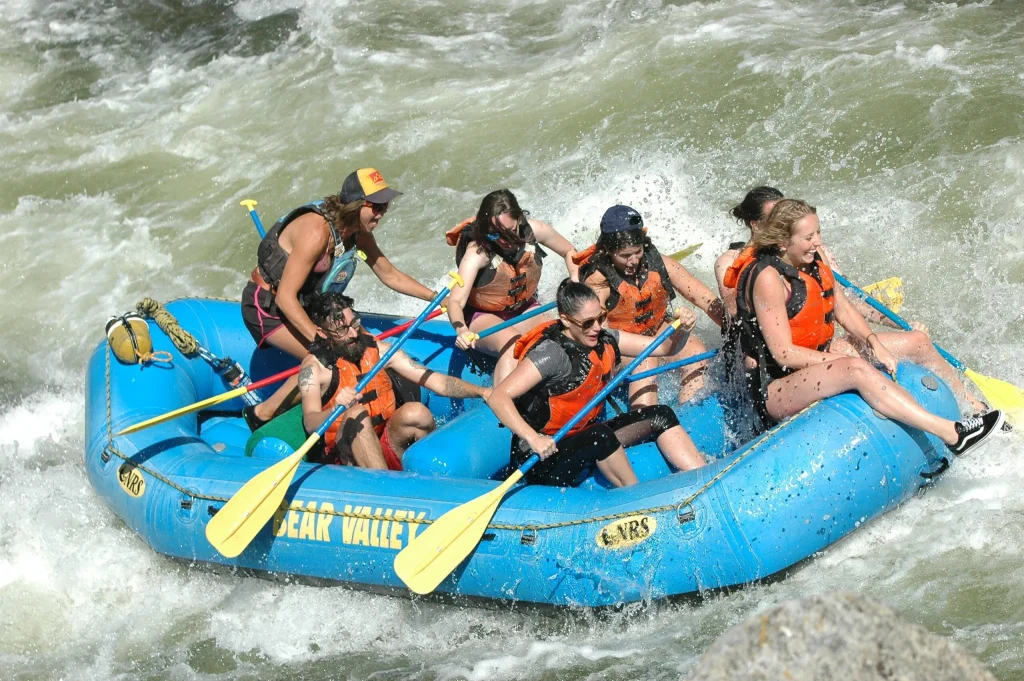
Rafting
Introduction:-
Rafting is one of the most thrilling water adventure sports in the world. The rush of navigating river rapids, the beauty of nature around you, and the adrenaline that pumps through your veins make rafting an unforgettable outdoor experience. Whether you’re an adventure lover, a nature enthusiast, or a traveler seeking something exciting, rafting offers a perfect blend of challenge and fun.
In this detailed rafting guide, we’ll cover everything you need to know—types of rafting, difficulty levels, best rafting destinations, safety tips, essential gear, cost, how to prepare, and much more. This comprehensive blog will help beginners and experienced rafters alike understand the true spirit of rafting.
What is Rafting?
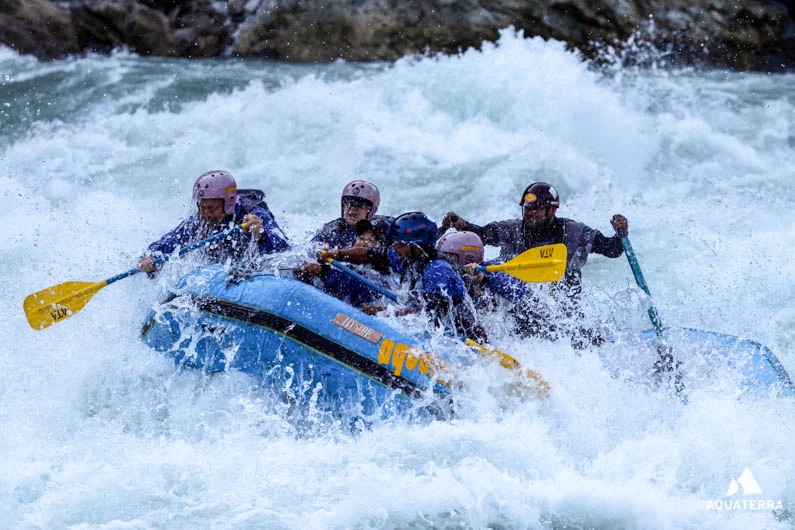
Rafting, also known as river rafting or white water rafting, is an adventure water sport where a group uses an inflatable raft to navigate through a river’s rapids. The activity requires teamwork, coordination, and courage as you face water currents, obstacles, and different rapid levels.
Rafting is popular worldwide because it combines adventure, natural beauty, and physical challenge, making it ideal for solo travelers, families, groups, and corporate teams.
Types of Rafting Adventures
Rafting is not the same everywhere—there are different types depending on the river, rapids, and water flow. Here are the major types:
1. White Water Rafting (Most Popular)
This is the classic adventure rafting experience involving rapidly flowing water, strong currents, and obstacles. It ranges from moderate to extreme.
Best For:
- Adventure seekers
- Groups
- Young adults
2. Flat Water Rafting
If you want a calm, scenic, and peaceful experience, flat water rafting is perfect. There are fewer rapids and almost no obstacles.
Best For:
- Families
- Beginners
- Senior travelers
3. Overnight / Multi-Day Rafting
This includes rafting for long hours, camping overnight, and exploring remote nature spots.
Best For:
- Backpackers
- Adventure photographers
- Nature lovers
4. Expedition Rafting
For experienced rafters, expedition rafting involves multiple days, high rapids, and unpredictable river currents. It is physically challenging and thrilling.
Understanding Rapid Levels (Grade 1 to Grade 6)
Rapids are categorized based on difficulty:
Grade 1: Very easy, slow-moving water
Grade 2: Mild rapids, small waves
Grade 3: Moderate rapids with irregular waves
Grade 4: Strong waves, sharp turns
Grade 5: Very challenging, expert-only
Grade 6: Nearly impossible, extremely dangerous
Most commercial rafting in India and abroad uses Grade 2–4 rapids, which are safe with an instructor.
Top Rafting Destinations in India
India is known for its diverse geography, and rafting spots here attract both local and international travelers.
1. Rishikesh – The Rafting Capital of India
Rishikesh offers the most popular white water rafting experience on the Ganga River. With rapids from Grade 2 to Grade 5, it’s perfect for all levels.
Highlights:
- 16 km, 24 km, and 36 km rafting routes
- Famous rapids: Roller Coaster, Golf Course, Double Trouble
- Best time: September to June
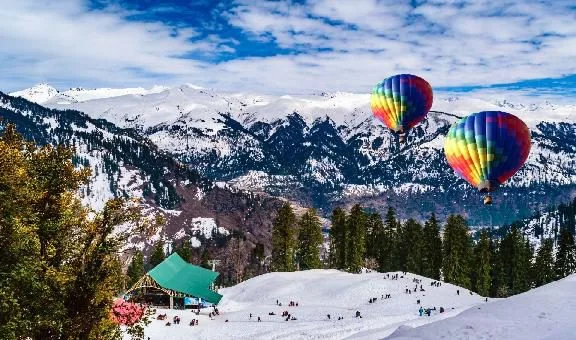
2. Manali – Rafting on Beas River
The Beas River offers both calm stretches and thrilling rapids.
Highlights:
- Ideal for beginners
- Beautiful Himalayan views
- Best time: March to July
3. Kolad – Maharashtra’s Rafting Hub
Located near Mumbai and Pune, Kolad offers rafting on the Kundalika River.
Highlights:
- Year-round rafting
- Best for families
- Perfect one-day getaway
4. Coorg – Rafting on Barapole River
One of the most thrilling rafting experiences in South India.
Highlights:
- Intense rapids
- Dense forests
- Best time: July to September
5. Teesta River – Sikkim & Darjeeling
Ideal for both beginners and professionals.
Highlights:
- Grade 2–4 rapids
- Cold water experience
- Stunning mountain landscapes
Best International Rafting Destinations
If you want to go global, here are the best places:
1. Colorado River – USA
Ideal for multi-day rafting expeditions.
2. Zambezi River – Africa
One of the world’s most extreme rafting spots.
3. Futaleufú River – Chile
Known for its turquoise blue waters.
4. Tully River – Australia
Popular among rafting enthusiasts.
Essential Rafting Equipment You Must Have
To enjoy a safe rafting adventure, you need the right gear:
- Life Jacket (Compulsory)
- Helmet
- Paddle / Oar
- Wet Suit or Dry Suit
- Waterproof Shoes or Sandals
- Throw Rope
- First Aid Kit
- Dry Bag for Belongings
Rafting companies provide most of this equipment, but you should always double-check before starting.
Rafting Safety Tips Everyone Should Follow
Rafting is safe when done correctly, but it involves water currents and physical effort, so safety is essential.
1. Always Listen to Your Instructor
Guide instructions can save your life.
2. Wear a Proper Life Jacket
Never loosen or remove it during rafting.
3. Keep Your Feet Up if You Fall in Water
Helps prevent leg injuries from rocks.
4. Don’t Panic
Stay calm, float, and wait for the rescue boat.
5. Know the Hand Signals
This helps during emergencies.
6. Avoid Alcohol Before Rafting
It slows reaction time.
7. Wear Suitable Clothing
Avoid cotton; use quick-dry clothing.
Rafting Cost in India (Approximate)
| Location | Price per Person |
| Rishikesh | ₹600 – ₹1500 |
| Kolad | ₹1000 – ₹1500 |
| Coorg | ₹1000 – ₹2000 |
| Manali | ₹500 – ₹1200 |
| Tawang / Arunachal | ₹1500 – ₹3000 |
Prices depend on the distance, season, and difficulty level.
How to Prepare for a Rafting Trip
1. Build Basic Fitness
Rafting requires arm and core strength.
2. Choose the Right Season
Season affects water levels and rapid strength.
3. Book in Advance
Especially in Rishikesh and Manali.
4. Avoid Heavy Meals Before Rafting
Eat light.
5. Pack Essentials
Sunscreen, sunglasses, water bottle, and extra clothes.
Why Rafting is the Perfect Adventure Activity
- Boosts confidence
- Strengthens teamwork
- Improves physical fitness
- Helps overcome fear
- Connects you with nature
- Creates unforgettable memories
Rafting is not just a sport—it’s an experience that stays with you forever.
FAQs About Rafting
1. Is rafting safe for beginners?
Yes, rafting is safe with professional instructors and proper gear.
2. What is the minimum age for rafting?
Most places allow 12+, but it depends on rapid levels.
3. Can non-swimmers do rafting?
Absolutely! Life jackets keep you safe even if you cannot swim.
4. Best time for rafting in India?
September to June (depending on location).
5. How long does a rafting session last?
Typically 1–3 hours.
Call to Action (CTA)
Ready for the adventure of a lifetime?
Book your rafting trip today and experience the thrill, excitement, and natural beauty that only rafting can offer. Whether you’re a beginner or a pro, rafting guarantees memories you’ll cherish forever.